Nigerian football legend Precious Dede has been named the new Women’s Football Development Manager for WAFU-B, Vibeslyfe reports.
Her appointment — first revealed by journalist Ademola Victor — marks a major boost for West Africa’s push to elevate women’s football across the region.
The former Super Falcons goalkeeper, one of Africa’s most celebrated shot-stoppers, is set to assume her duties immediately.

Her arrival could serve as a strategic move to accelerate growth across technical development, grassroots pathways, and coaching standards in a region long regarded as a powerhouse of emerging talent.
Dede Time: Nigerian legend steps into a new era of leadership
Dede, who earned 99 caps for Nigeria and captained the Super Falcons, brings nearly two decades of elite international and club experience to the role.
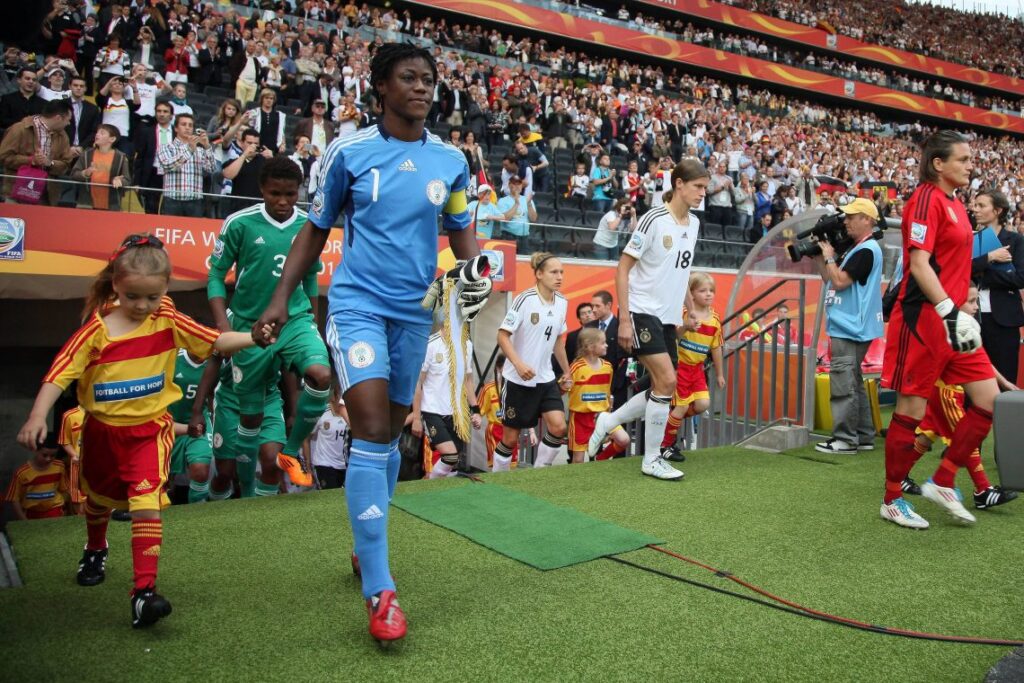
She featured in four FIFA Women’s World Cup tournaments and represented Nigeria at three Olympic Games. Her medal haul includes two African Women’s Championship titles in 2010 and 2014 and several club honours.
After a successful club career that took her from Delta Queens and Ibom Queens to a spell with Arna-Bjørnar in Norway, Dede retired from professional football in 2016.
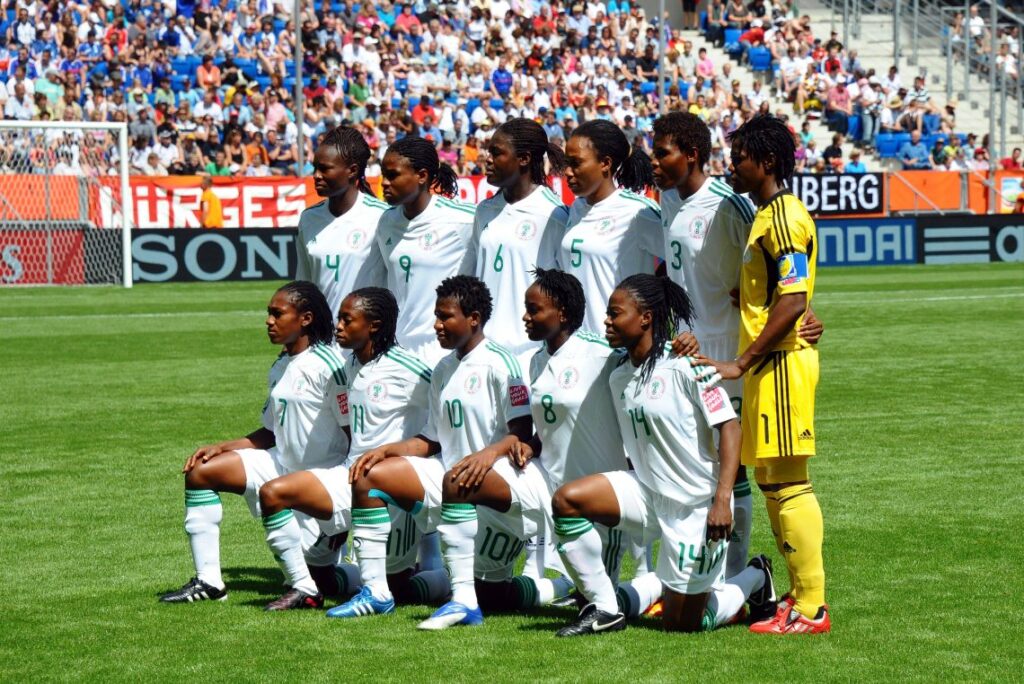
Since then, she has remained active within the development ecosystem and currently serves as Assistant Coach of Nigeria’s U-17 women’s national team, the Flamingos.
Her appointment comes at a time when WAFU-B is refining a long-term development strategy aimed at upgrading talent structures ahead of the next competitive cycle. The Union said her leadership qualities and deep understanding of the women’s game made her an ideal choice for a role central to its reform agenda.

In her new capacity, Dede will supervise initiatives designed to broaden entry pathways for young girls, strengthen technical training across member associations, and promote the visibility of women’s football across the region.
Her responsibilities also include shaping competition models, leading capacity-building programmes, and supporting national associations in alignment with continental development standards.